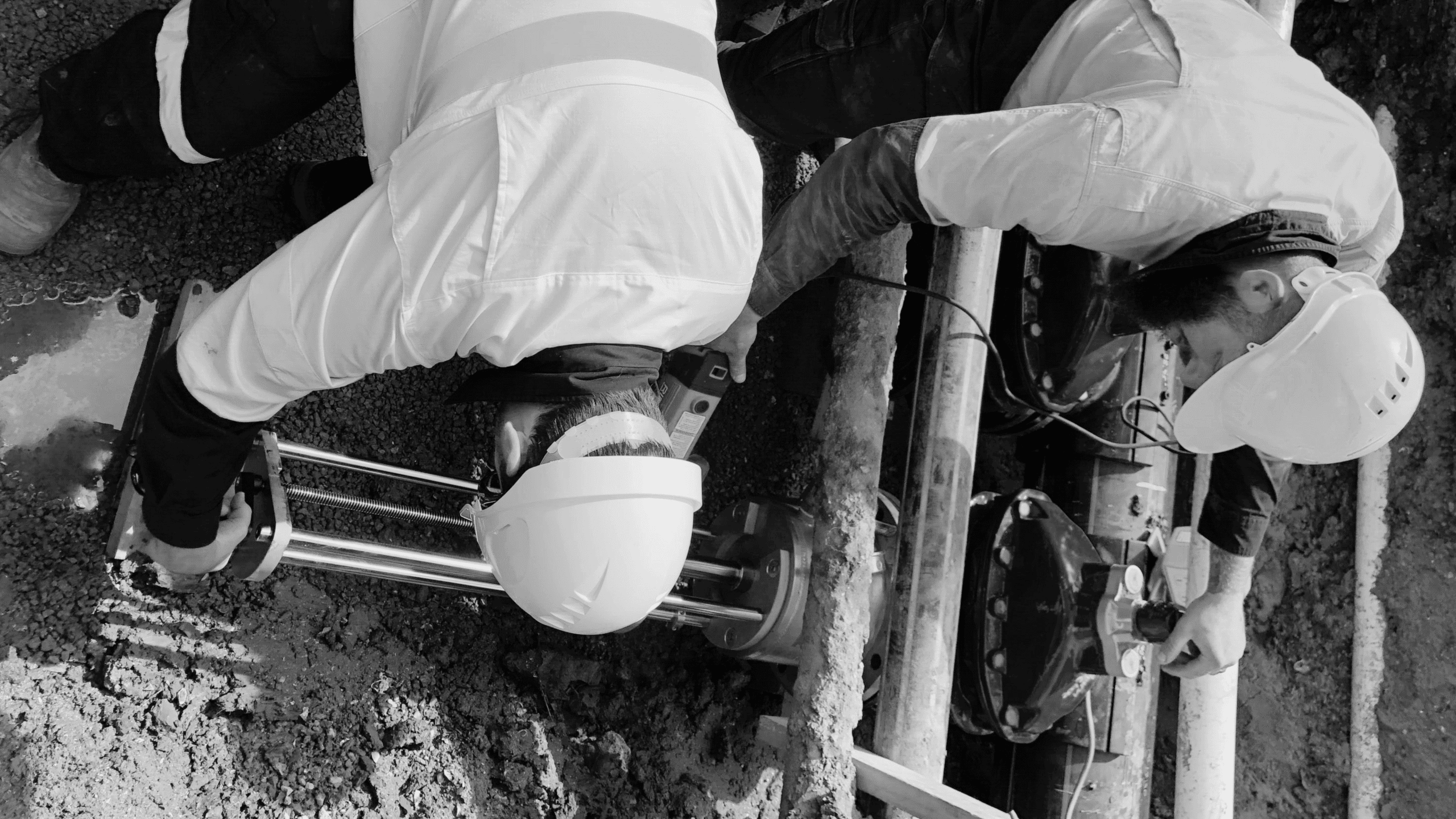
If you’re installing polyethylene (PE) pipelines that connect to council, water, gas or utility networks, accreditation isn’t optional – it’s a requirement.
All installers working on municipal pipeline infrastructure must hold:
PMBWELD301E – Join polyethylene plastic pipes using Butt Welding
PMBWELD302E – Join polyethylene plastic pipes using Electrofusion Welding
These nationally recognised Units of Competency ensure installers have the practical skills and knowledge needed to deliver safe, compliant and long-lasting pipeline connections.
For plumbers and civil contractors, every joint matters.
A poor weld doesn’t just risk a defect notice. It can lead to costly rework, project delays, asset failure and significant safety risks down the track. Whether you’re working on water, sewer, gas or communications infrastructure, asset owners need confidence that every connection has been installed correctly.
That’s why accreditation exists.
It provides proof that installers understand the critical factors that influence weld quality, including pipe preparation, alignment, temperature control, machine operation and quality assurance procedures. It also ensures work is completed in accordance with current Australian Standards and industry best practice.
Meet utility and council compliance requirements
Reduce the risk of costly failures and call-backs
Improve installation quality and consistency
Strengthen your team’s capability and credibility
Increase eligibility for infrastructure and utility projects
Demonstrate competency to clients, principal contractors and asset owners
Becoming accredited is straightforward.
Complete a recognised poly welding training course through an approved Registered Training Organisation (RTO), like industry specialist RTO Lernna.com.au
Demonstrate practical competency through hands-on assessment.
Successfully complete the required theory and practical components.
Receive your nationally recognised Statement of Attainment.
Like any trade skill, ongoing training matters. Regular re-accreditation helps ensure installers remain current with evolving standards, equipment and industry requirements.
In an industry where quality, compliance and safety are non-negotiable, accreditation isn’t just a qualification – it’s a professional standard that protects contractors, clients and the long-term performance of critical infrastructure.